
Last Updated on April 9, 2026 12:48 am by INDIAN AWAAZ
AMN / DUBAI
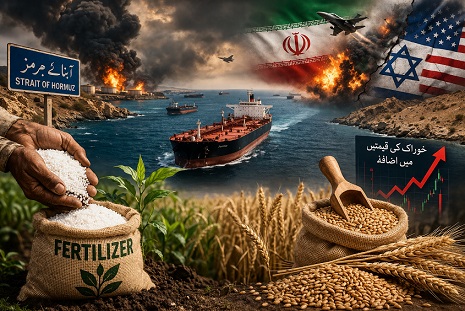
– A fragile two-week ceasefire has provided a much-needed reprieve for the Gulf region, though the path to full maritime normalization remains fraught with logistical and diplomatic hurdles. While the immediate threat to critical civilian infrastructure—including desalination plants and power grids in Saudi Arabia and the UAE—has receded, the vital Strait of Hormuz remains only partially functional.
The Shipping Bottleneck and the “Transit Fee” Controversy
The maritime industry is grappling with a massive logistical backlog, with shipping sources reporting over 800 vessels currently stranded within the Gulf. Although Tehran has signaled that vessels may transit the waterway, passage is strictly contingent upon coordination with Iranian forces, ensuring the Islamic Republic maintains a firm grip on the world’s most critical energy chokepoint.
In a move that has sent shockwaves through the global shipping community, Iran has reportedly proposed a $2 million transit fee per vessel, to be shared with Oman. International shipping associations have slammed the proposal as a violation of long-standing maritime norms, warning that such “toll” demands could permanently distort global trade flows and delay the resumption of regular schedules.
A Truce on Thin Ice
Despite the pause in direct hostilities between the U.S. and Iran, the geopolitical landscape remains volatile.
- The Israel-Lebanon Factor: Israel has agreed to the 14-day pause regarding Iran but pointedly noted it will persist with operations against Hezbollah in Lebanon. This dual-track approach has fueled fears that a regional spillover could collapse the truce prematurely.
- The Insurance Standoff: Risk premiums remain at elevated levels as insurers wait for verified security protocols. Without an international peacekeeping force on the ground, the global market is relying solely on U.S. satellite and maritime surveillance to monitor compliance.
Testing the Waters at Kharg Island
The true litmus test for this ceasefire will be the status of Iran’s Kharg Island export terminal. Recently battered by strikes on its storage facilities, the speed at which Iran attempts to resume oil exports will signal whether this is a genuine step toward de-escalation or merely a tactical pause for both sides to regroup and rearm.
For energy traders and global markets, the next 48 hours are viewed as critical. While nearly a fifth of the world’s oil supply hangs in the balance, the industry remains in a “wait-and-watch” mode, wary that this temporary relief may be the calm before a renewed storm.