
AMN / WEB DESK
Pakistan has intensified preparations for high-level talks between the United States and Iran, scheduled to take place in Islamabad, with authorities focusing on extending a fragile two-week ceasefire into a more durable peace agreement.
According to reports in Pakistani media, including APP and ARY News, Mohsin Naqvi, Pakistan’s interior minister, chaired a high-level meeting to review security and administrative arrangements ahead of the negotiations. During the meeting, he instructed officials to ensure “foolproof security” as well as exceptional hospitality for visiting foreign delegations.
Officials decided that Islamabad’s highly secured Red Zone will be completely sealed during the talks, with entry restricted strictly to authorised individuals. Authorities have also set up a dedicated control room at the interior ministry to oversee security operations and logistical arrangements.
Pakistan is hosting the talks after Shehbaz Sharif, the country’s prime minister, invited both sides to Islamabad following his role in facilitating a ceasefire earlier this month. The ceasefire, announced on April 8, temporarily halted weeks of hostilities that had shaken the Middle East and disrupted global markets.
The conflict began on February 28 when coordinated strikes by the United States and Israel targeted Iranian military and nuclear infrastructure, reportedly killing more than 2,000 people over a five-week period, Pakistani media reported. In retaliation, Tehran restricted access through the Strait of Hormuz, one of the world’s most vital energy shipping routes, and launched attacks on Israeli targets and US bases in the Gulf region.
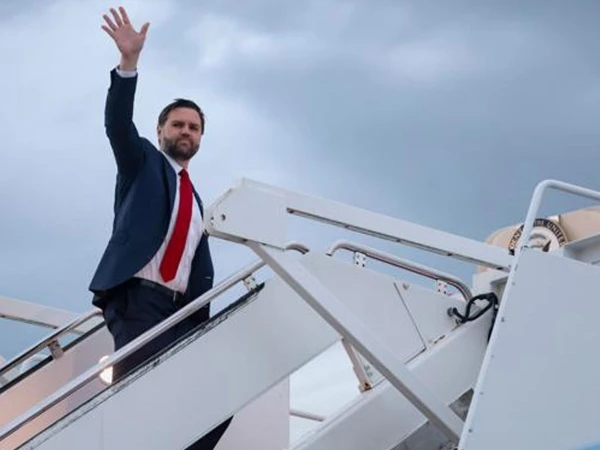
For the upcoming talks—informally dubbed the “Islamabad talks”—the United States delegation is expected to be led by Vice President JD Vance, accompanied by special envoy Steve Witkoff and Jared Kushner, son-in-law of former US president Donald Trump. Iran’s delegation is likely to be headed by parliament speaker Mohammad Bagher Ghalibaf and Foreign Minister Abbas Araghchi.
Washington is reportedly bringing a 15-point proposal to the table addressing Iran’s enriched uranium programme, ballistic missiles, sanctions relief and the reopening of the Strait of Hormuz. Tehran, in turn, has proposed a 10-point framework that includes demands for greater control over the strait, the introduction of transit tolls, an end to regional military operations and the lifting of sanctions.
Authorities in Islamabad and nearby Rawalpindi have declared April 9 and 10 as local holidays to facilitate security arrangements, with schools, offices and educational institutions closed during the period.
Meanwhile, tensions related to Lebanon remain a sticking point. Israeli forces have continued operations against Hezbollah, with Prime Minister Benjamin Netanyahu maintaining that the ceasefire does not apply to Lebanon—a claim Tehran disputes. The issue is expected to be addressed separately in diplomatic discussions involving the U.S. State Department and regional stakeholders.