
Last Updated on March 23, 2026 8:46 pm by INDIAN AWAAZ
AMN / NEWS DESK Washington / Tehran
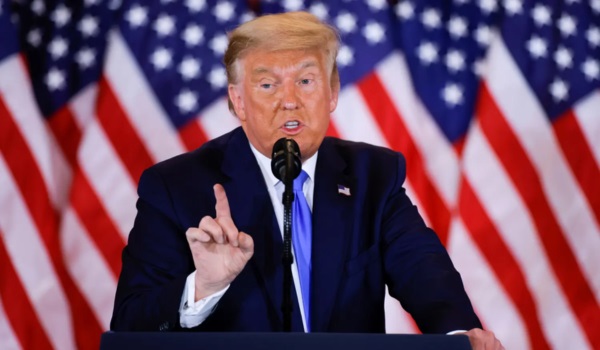
U.S. President Donald Trump has temporarily stepped back from the threat of military strikes against Iranian energy facilities, announcing a five-day pause while diplomatic efforts continue to reduce tensions in the Gulf. The decision comes after a weekend of indirect contacts between Washington and Tehran amid fears that the confrontation could disrupt global oil supplies and trigger a wider regional conflict.
Speaking in an interview with CNN, Trump suggested that progress had been made in back-channel discussions.
“There are roughly 15 points of agreement that have emerged from the talks,” the U.S. president said, adding that Washington would hold off attacking Iranian energy infrastructure for several days to allow diplomacy a chance.
Trump had earlier warned that the United States could target Iran’s energy sector if Tehran failed to guarantee the full reopening of the strategic Strait of Hormuz, a narrow maritime corridor through which nearly one-fifth of the world’s oil supply passes each day. Disruption in the waterway has alarmed energy markets and shipping companies across the globe.
Iran Rejects Claim of Direct Talks
However, Iranian officials quickly pushed back against Trump’s remarks. According to Iran’s foreign ministry, there have been no direct negotiations with Washington.
Iranian state-affiliated media reported that the ministry said:
“There is no dialogue between Tehran and Washington,” dismissing suggestions that formal talks had begun.
Despite the denial, diplomatic sources cited by Reuters and CNN say several countries have been quietly passing messages between the two sides over the past few days in an attempt to prevent further escalation. Regional mediators are believed to include Gulf states and other international actors concerned about the impact of the crisis on global energy markets.
Israeli Strikes Continue in the Region
Even as diplomatic signals emerge, military activity in the region has continued. Iranian state media reported that several locations in Tehran were hit in a new wave of Israeli airstrikes, part of the intensifying confrontation involving Iran, Israel, and allied groups across the Middle East.
Officials and regional monitors say the death toll across Iran and Lebanon has climbed into the thousands since the conflict escalated. Infrastructure damage and civilian casualties have been reported in multiple cities, raising concerns about a wider humanitarian crisis if hostilities continue.
Security analysts warn that the combination of Israeli strikes and the possibility of U.S. intervention has created one of the most volatile moments in the Middle East in years.
Oil Markets React Immediately
Financial markets reacted quickly to Trump’s announcement of a temporary pause in military action. Global crude prices, which had surged earlier on fears of a major disruption in Gulf oil flows, fell sharply after the statement.
According to market data reported by Reuters, the international benchmark for crude oil dropped more than 7 percent, falling below $100 per barrel after briefly rising to around $114 earlier in the day.
Energy analysts say the sudden drop reflects investor hopes that diplomacy may prevent a direct confrontation that could block shipping through the Strait of Hormuz and disrupt millions of barrels of daily oil supply.
Despite the pause in military threats, the situation remains highly uncertain. The key issue—safe navigation and security guarantees in the Strait of Hormuz—remains unresolved, and both sides continue to exchange warnings.
Diplomats say the next few days could prove critical, as the temporary delay announced by Trump may either open the door to negotiations or simply postpone another round of confrontation.
For now, global markets, regional governments and energy traders are closely watching developments in Washington, Tehran and the Gulf, aware that any escalation could quickly send oil prices soaring again and deepen instability across the Middle East.